Delta Gold Is a Card to Hold, Not a Card to Spend On
The Delta SkyMiles Gold card costs $150 after a waived first year, and almost everything written about it leads with the welcome offer or the 2x SkyMiles. Both are the wrong place to look.
This card earns its fee through a checked-bag waiver and a 15% discount on award tickets. Those are worth a great deal to some households and close to nothing to others, and neither has anything to do with how much you spend on the card.
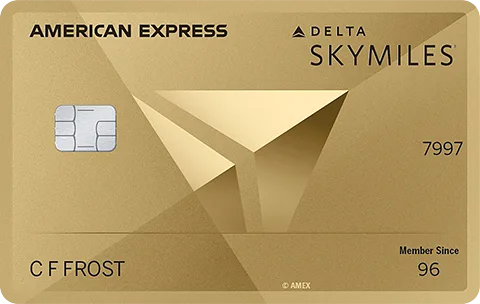
Work out what it returns for your trips →
The bag waiver is the whole case
Delta charges $45 for a first checked bag and $55 for a second, each direction, on domestic Main and Comfort fares. The Gold waiver covers the cardmember plus companions on the same reservation, to a maximum of nine waivers.
| Who is flying | One round trip, one bag each |
|---|---|
| Solo | $90 |
| Couple | $180 |
| Family of four | $360 |
Against a $150 ongoing fee, a couple clears it on a single trip and a family clears it more than twice over. A solo traveler taking one trip a year does not, and needs a second trip to get there.
That is the entire decision for most people, which is why we put it in a calculator rather than asking you to find yourself in a table.
The second bag does not cover your family
Delta added a second free checked bag on June 4, 2026 for Gold, Platinum and Reserve, with no increase in the annual fee. Several write-ups reported it as covering the cardmember plus eight companions, the same as the first bag.
Delta's terms are narrower. The waiver applies to "the second bag of each Basic Card Member traveling in the reservation," and the footnote extends it only to other Basic Card Members holding their own eligible card. Companions get one free bag, not two.
For a family of four with one cardholder checking two bags each, that is five free bags out of eight. Useful, and not what the headline suggests.
Two more limits: the second-bag waiver is domestic only, and neither waiver applies to anyone already receiving free bags from Medallion status, fare class, or active-duty military. The benefit does not stack on top of something you already have.
TakeOff 15 is the second real benefit, and it is narrow
Gold cardholders get at least 15% off the mileage portion of Delta award tickets. On 100,000 SkyMiles redeemed a year, that is 15,000 miles back, worth roughly $180 at 1.2 cents.
The exclusions matter more than the headline. The entire itinerary must be Delta or Delta Connection operated and ticketed through Delta, so partner awards are out. It does not apply to taxes and fees, which must themselves be paid with the eligible card. It does not apply to Pay with Miles, Miles + Cash, or upgrades bought after booking.
And it is not combinable with Delta eCredits. That last one has a consequence nobody mentions: the $200 flight credit this card can earn cannot be used on a TakeOff 15 award booking. The card's two headline redemption benefits do not stack with each other.
Why this is a card to hold rather than spend on
Gold earns 2x on Delta, restaurants and U.S. supermarkets, and 1x on everything else. Those rates are unremarkable in 2026, and SkyMiles are a one-airline currency valued below both major transferable currencies by most published estimates.
Meanwhile the bag waiver and Zone 5 boarding key on your SkyMiles number being on the reservation, and TakeOff 15 keys on being logged in to a linked SkyMiles account. None of those benefits ask how much you charged to the card during the year.
So the sensible pattern is to hold Gold for the benefits and put your general spending somewhere it earns better. For which card should buy the ticket itself, we worked through the trade in which card to buy Delta tickets with. The protections diverge more than the earn rates do.
One wrinkle worth stating plainly. Delta's governing benefit terms require only that the reservation carry the Basic Card Member's SkyMiles number, and both Delta and Amex describe adding that number at check-in, which would be impossible if the form of payment mattered. Delta's marketing headline still says "Delta flights booked with your Card." The terms are the stronger source, but a benefit administrator applies the terms and not our reading of them, so if the bags are why you hold the card, book with the card. The cost of being wrong is $90 to $360 a trip against a rounding error in points.
The $10,000 flight credit deserves scrutiny
Spend $10,000 in a calendar year and Gold issues a $200 Delta eCredit. The lazy framing is that this adds 2% to your spending. It does not.
Gold earns 1x on ordinary purchases, worth about 1.2 cents a mile. Move $6,000 from a 2% card to reach the threshold and you give up $120 of cash back while earning roughly $72 of SkyMiles on the same spend, so the cost is about $48 against $200 of restricted credit. Still positive, but a quarter of the headline. Raise the alternative card to 4% and the cost becomes $168 against $200 of credit, leaving $32. Discount the eCredit at all for its restrictions and expiry and that is roughly break-even, which is a lot of rearranged spending for nothing.
The credit is also not cash. Amex's terms exclude bag fees, change fees and upgrades, it expires within a year of issue, and as noted it cannot be combined with TakeOff 15.
If $10,000 lands on the card without you changing anything, take the credit. If reaching it means diverting spending, run the arithmetic first. Our calculator does that subtraction and will tell you when chasing the threshold loses money.
What Gold does not have
Worth knowing before you compare it to a premium travel card. Gold includes baggage insurance, secondary car rental coverage, Global Assist and purchase protection. It does not include trip delay insurance or trip cancellation and interruption insurance, which the Reserve does.
It has no Sky Club access. And it earns no MQDs from card spending and gets no MQD Headstart, both of which are reserved for Platinum and Reserve. If you are chasing Medallion status through spending, this is the wrong card in the lineup.
Who should carry it
Families and couples who check bags on Delta. One round trip usually settles it, and the benefit needs no activation and no remembering.
People who redeem SkyMiles in volume on Delta-operated awards. TakeOff 15 compounds with every redemption.
Occasional Delta flyers who want the quasi-elite treatment without chasing status: early boarding, bags handled, a modest award discount.
Who should skip it
Carry-on-only travelers. You are paying $150 for a 2x card and a boarding zone.
Medallion members and anyone already getting free bags from fare class or military status. The waiver does not stack.
Anyone who flies Delta once a year or less. The bag math does not reach the fee and the award discount has nothing to work on.
People who want strong everyday earning. That is a different card, and probably not an airline card at all.
Bottom line
Delta Gold is a good specialist card and a mediocre general one. Judge it on how many bags your household checks on Delta and how many SkyMiles you actually redeem, and ignore the earn rate entirely, because it is not what pays the fee.
If that describes you, the Delta SkyMiles Gold card page has the current terms. Welcome offers on this card are personalized and change often, so the offer you see there is the one that counts, not any figure quoted in an article.
Card terms verified September 4, 2026 against Delta's and American Express's published pages, including the governing benefit footnotes. Welcome offers are personalized and change often; rely on the offer shown to you rather than any figure in an article. Benefits change, so confirm current terms before applying.
Cards Mentioned in This Article
Click any card above to see if it's worth adding to your wallet — personalized verdict in 30 seconds.
Related on Learn
Hand-picked based on topic and reader interest
Which Card Should You Actually Buy Delta Tickets With?
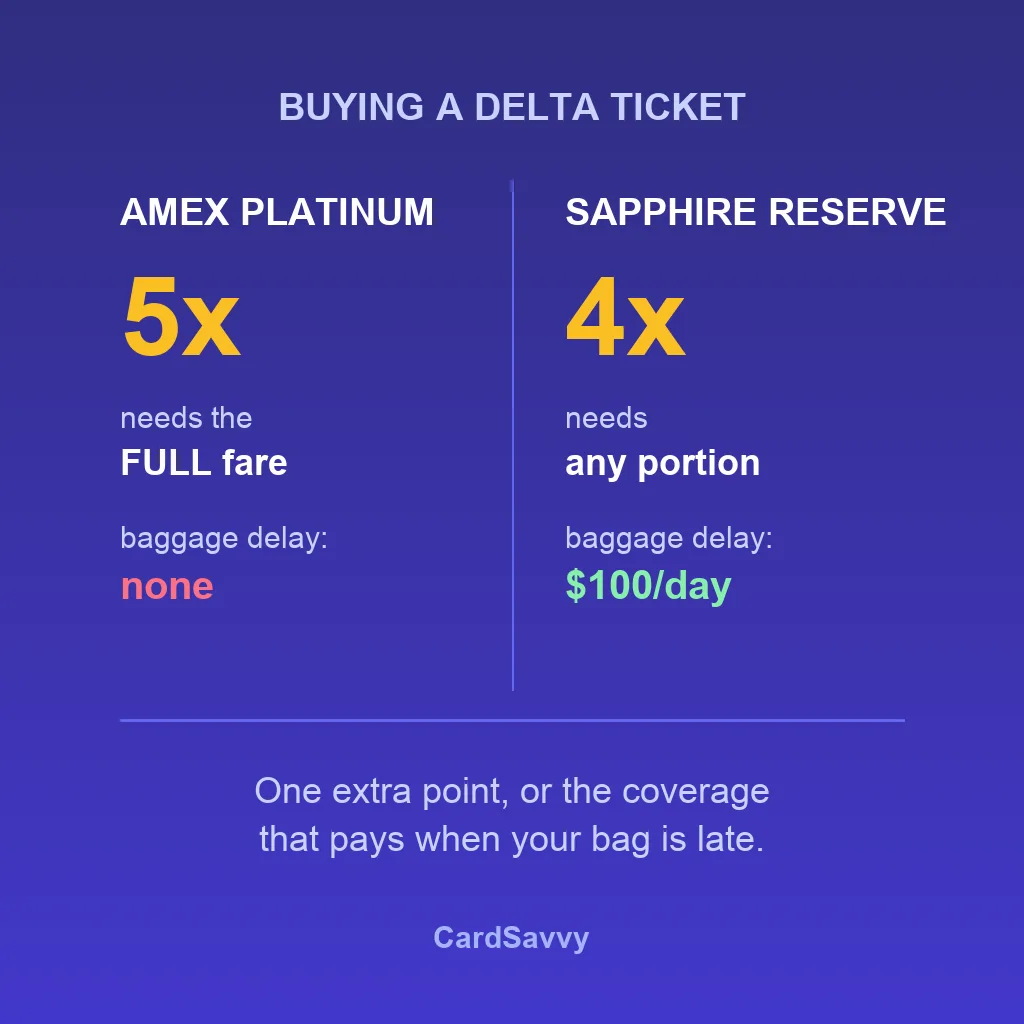
Amex Platinum earns 5x on Delta airfare against the Sapphire Reserve's 4x. But Platinum requires the full fare charged to it and covers no baggage delay, which matters more than one extra point if you check bags.
Using a 0% APR Card to Earn Interest: Credit Score and Fine-Print Risks (2026)
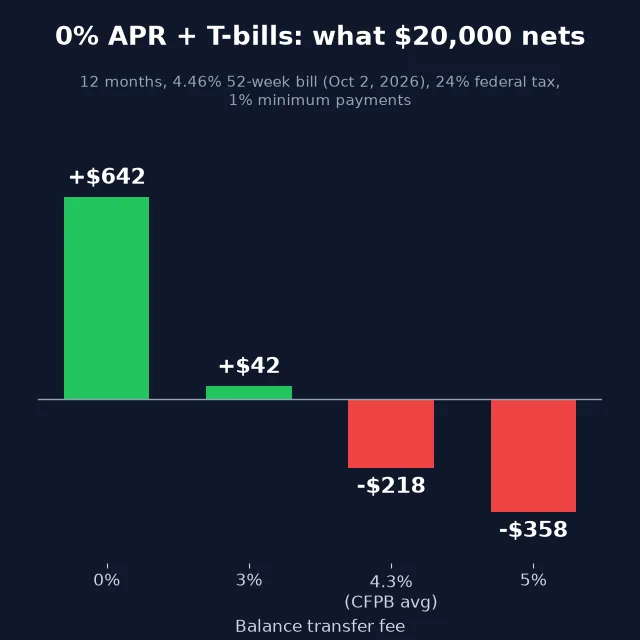
Parking a 0% APR balance in T-bills can pay, but the transfer fee, a lost grace period, utilization and mortgage timing decide whether it does. The fine print, checked.
Citi Nights: The 6x Dining Bonus That Runs on New York Time
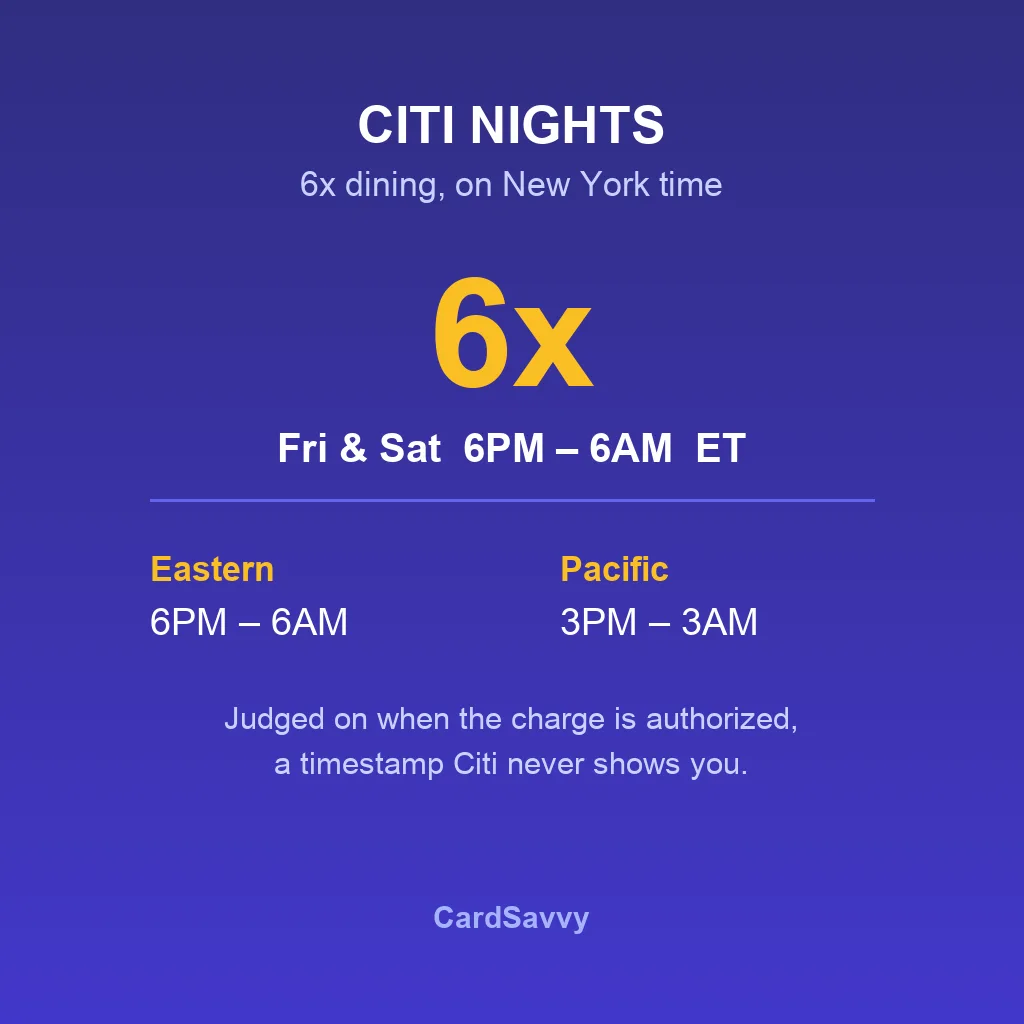
The Citi Strata Elite earns 6x at restaurants on Friday and Saturday nights, but the window runs on Eastern time and is judged by when the charge is authorized. Here is what that means if you do not live in New York.
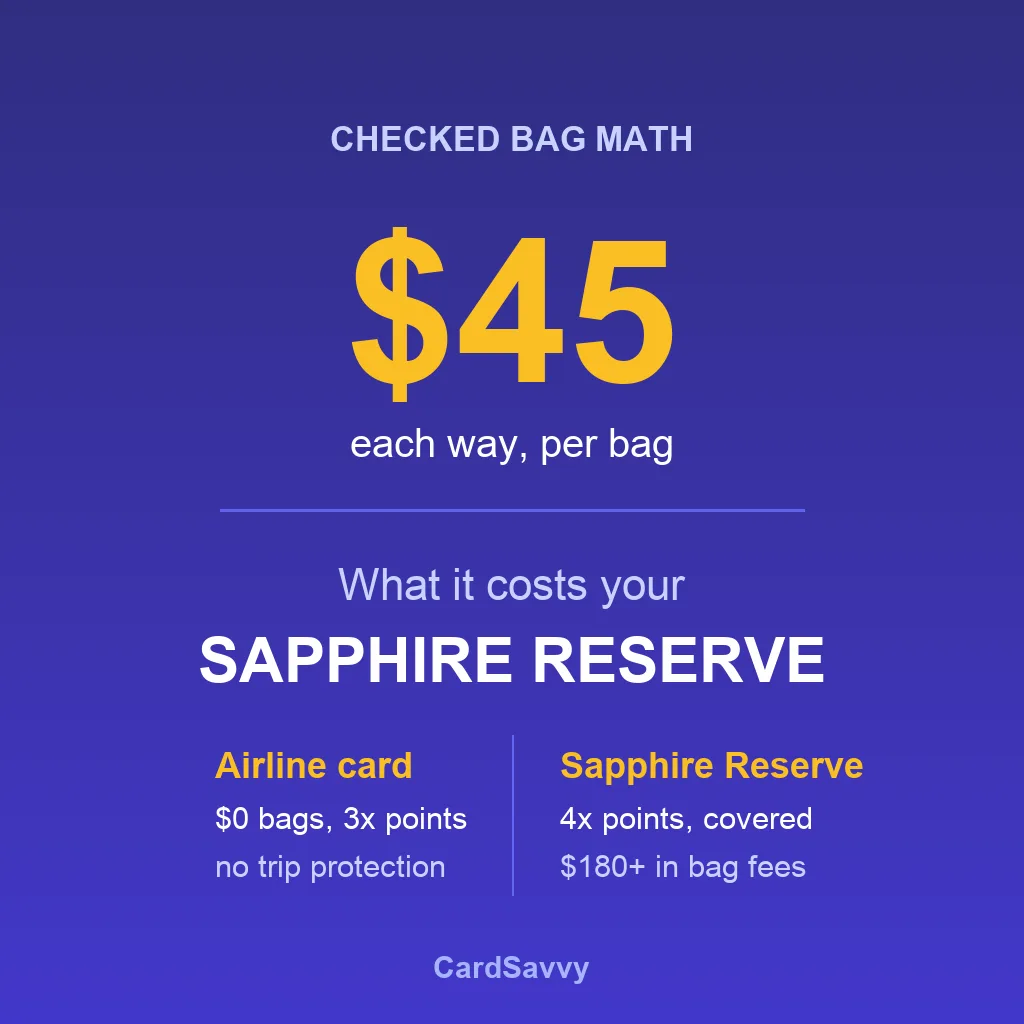
Airline Card vs Sapphire Reserve: What Checking Bags Costs You in 2026
Checked bags now cost $45 each way, and the waiver requires buying the ticket with the airline card. That decision quietly moves your airfare off the Sapphire Reserve, taking the 4x category and the trip protections with it. Here is what that is worth.
Get smarter with your cards
Math-first card strategy posts, sent when we publish — not on a schedule. No spam. Unsubscribe anytime.
We respect your inbox.
See the math for yourself
Is the $150 annual fee worth it for your trips?
Free calculator. No signup required.
Try the Delta Gold Calculator →