Best First Credit Card 2026: A Beginner's Guide to Building Credit
Your first credit card sets the foundation for your financial future. Choose wisely and you'll build excellent credit that saves you thousands on car loans, mortgages, and future credit cards. Choose poorly (or not at all), and you'll pay higher interest rates for years.
The good news: getting your first credit card is easier than most people think. You don't need existing credit. You don't need a high income. You just need to pick the right card for your situation.
Already have a card? See how your wallet performs →
Best First Credit Cards 2026: Quick Picks
| Your situation | Best card |
|---|---|
| College student with income | Discover it Student Cash Back |
| Student wanting travel rewards | Bank of America Travel Rewards for Students |
| Non-student, no credit history | Discover it Secured |
| Non-student, some credit | Capital One Platinum |
| Want to build credit fastest | Any card you use responsibly |
Understanding Your Options
First credit cards fall into three categories:
Student Cards
- Designed for college students with limited credit history
- Usually offer rewards (cash back or points)
- May require proof of enrollment
- Best option if you're in college
Secured Cards
- Require a security deposit (typically $200-500)
- Deposit becomes your credit limit
- Get deposit back when you upgrade or close
- Best option for non-students with no credit
Entry-Level Unsecured Cards
- No deposit required
- May have lower credit limits initially
- Some offer rewards, some don't
- Best option if you have some credit history or income
Best for Students: Discover it Student Cash Back
Annual fee: $0 Rewards: 5% rotating quarterly categories (up to $1,500/quarter), 1% everything else Welcome bonus: Cashback Match (Discover doubles all cash back earned in first year)
The Discover it Student Cash Back is the gold standard for first credit cards. Here's why:
What makes it great for beginners:
- No credit history required
- No annual fee (ever)
- Actual cash back rewards (not just credit building)
- Cashback Match doubles everything you earn in year one
- Free FICO score monitoring
- Late payment forgiveness (first late fee waived)
- Good grade reward ($20 for GPA 3.0+)
The math on Cashback Match:
Most first credit cards offer no rewards. Discover gives you cash back and then doubles it for the entire first year. If you spend $500/month on the card:
- Regular rewards: ~$100/year
- With Cashback Match: ~$200/year
That's real money while you build credit.
Best for: College students who want rewards while building credit.
Best Secured Card: Discover it Secured
Annual fee: $0 Deposit: Minimum $200 Rewards: 2% at gas stations and restaurants (up to $1,000/quarter), 1% everything else
If you're not a student or got denied for other cards, the Discover it Secured is the best secured card available.
What makes it different:
- You earn rewards (most secured cards offer nothing)
- Cashback Match doubles rewards in year one
- Automatic review for upgrade to unsecured card after 7 months
- Full deposit refunded when you graduate
How secured cards work:
- You provide a deposit (say, $200)
- Your credit limit equals your deposit ($200)
- You use the card normally and pay your bill
- After 7-12 months of good behavior, Discover upgrades you to an unsecured card
- You get your $200 deposit back
The key insight: Your deposit isn't a payment, it's collateral. You still need to pay your monthly bill. The deposit is returned to you when you upgrade.
Best for: Non-students building credit from scratch.
Best No-Deposit Option: Capital One Platinum
Annual fee: $0 Rewards: None Credit limit: Typically $300-500 to start
The Capital One Platinum is designed for people with limited or no credit who want to skip the security deposit.
What you get:
- No deposit required
- No annual fee
- Access to higher credit line after 5 on-time payments
- CreditWise free credit monitoring
The tradeoff:
This card offers no rewards. You're purely using it to build credit. That's fine, because the primary goal of your first card is establishing credit history, not maximizing cash back.
After 6-12 months of responsible use, you can apply for a rewards card and put the Platinum in a drawer.
Best for: Non-students who want an unsecured card without a deposit.
Best Student Travel Card: Bank of America Travel Rewards for Students
Annual fee: $0 Rewards: 1.5x points on everything Welcome bonus: 25,000 points after $1,000 spent in 90 days
If you're a student interested in travel rewards rather than cash back, the BofA Travel Rewards for Students offers a simple earning structure.
What makes it work:
- Flat 1.5x points on all purchases (no categories to track)
- 25,000 point bonus (worth $250 in travel)
- No foreign transaction fees
- Points don't expire
Best for: Students who travel or want to start earning toward future trips.
How to Use Your First Credit Card
Getting approved is just the beginning. Here's how to build credit effectively:
The 30% Rule
Keep your balance below 30% of your credit limit. If you have a $500 limit, try to keep your statement balance under $150. Credit utilization is the second most important factor in your credit score.
Pro tip: Pay your balance before the statement closes, not just before the due date. This reports a lower utilization to the credit bureaus.
Pay On Time, Every Time
Payment history is the #1 factor in your credit score. One late payment can drop your score 50-100 points and stay on your report for 7 years.
Set up autopay for at least the minimum payment. Then pay more manually when you can.
Don't Close the Card
Your first credit card becomes your oldest account. Length of credit history matters. Even after you get better cards, keep your first card open (it costs nothing if it has no annual fee).
Start Small
Use your first card for one recurring bill (like streaming) and pay it off every month. You don't need to spend a lot to build credit. Consistency matters more than volume.
What to Do After 6-12 Months
Once you've built 6-12 months of on-time payment history, you have options:
Check your credit score. Most card issuers provide free FICO scores. You should see a score in the 650-720 range if you've used the card responsibly.
Consider a rewards upgrade. With established credit, you can apply for better cards:
- Under $50k income: Capital One Savor (3% dining, no annual fee), BofA Customized Cash (6% on one chosen category in year one, then 3%)
- Over $50k income: Chase Sapphire Preferred ($95/year, serious travel rewards)
Don't close your first card. Keep it open for the account age. Put a small recurring charge on it and set up autopay.
Request a credit limit increase. After 6 months, ask your issuer for a higher limit. This improves your utilization ratio without requiring a new application.
Common First Credit Card Mistakes
Mistake #1: Carrying a balance to build credit
This is a myth. You don't need to carry a balance or pay interest to build credit. Pay your full statement balance every month.
Mistake #2: Applying for too many cards at once
Each application creates a hard inquiry on your credit report. Space applications at least 6 months apart when you're starting out.
Mistake #3: Ignoring the card after approval
An unused card doesn't build credit. Use it at least once every few months to keep the account active.
Mistake #4: Maxing out the credit limit
High utilization hurts your score. If you have a $500 limit, don't spend $450 on it. Keep balances low relative to your limit.
Mistake #5: Paying only the minimum
Interest rates on credit cards are 20%+. Paying minimums means you'll pay far more than you charged. Pay the full balance monthly.
The Bottom Line
Your first credit card isn't about maximizing rewards. It's about establishing credit history that will serve you for decades.
If you're a student: Get the Discover it Student Cash Back. Real rewards plus Cashback Match while you build credit.
If you're not a student and have no credit: Get the Discover it Secured. Provide a deposit, build credit for 7 months, get upgraded.
If you're not a student and want no deposit: Get the Capital One Platinum. No rewards, but no deposit required.
The best first credit card is one you'll use responsibly. Pick one, use it for small purchases, pay the balance monthly, and watch your credit score grow.
Already have cards? See your optimization opportunities →
Frequently Asked Questions
What credit score do I need for my first credit card?
Many first credit cards are designed for people with no credit history at all. Student cards and secured cards typically have no minimum score requirement. You can start building credit from scratch.
How old do I have to be to get a credit card?
You must be 18 to apply for a credit card in your own name. If you're under 21, you'll need to show independent income or have a cosigner.
Will I get approved for my first credit card?
Student cards and secured cards have high approval rates for people with no credit history. If you're a student with some income or willing to provide a security deposit, you'll likely be approved.
How much should I spend on my first credit card?
Only spend what you can pay off in full each month. Start with one small recurring bill ($10-50/month) until you're comfortable managing the card.
Does a secured card build credit like a regular card?
Yes. Secured cards report to credit bureaus the same way as unsecured cards. The security deposit only protects the issuer; it doesn't affect how your payment history is reported.
Cards Mentioned in This Article
Click any card above to see if it's worth adding to your wallet — personalized verdict in 30 seconds.
Related on Learn
Hand-picked based on topic and reader interest
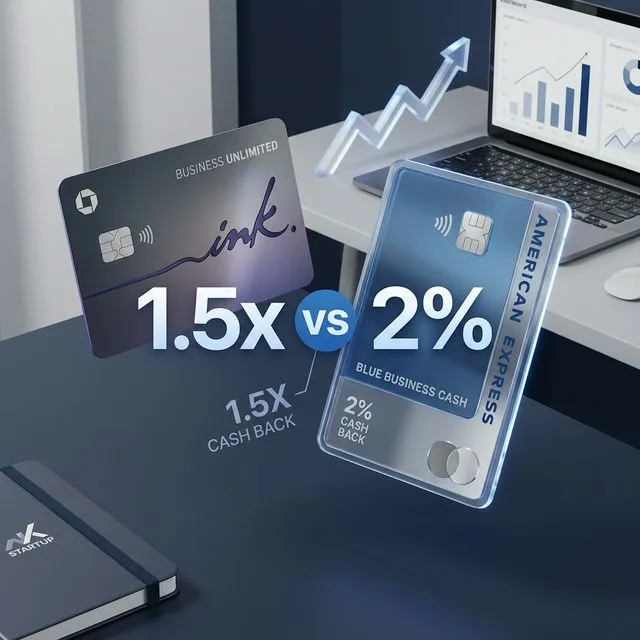
Best First Business Credit Card for Startups 2026: Ink Unlimited vs Blue Business Cash
Starting a business and need your first business credit card? We compare the two best $0 annual fee picks — Chase Ink Business Unlimited and Amex Blue Business Cash — with break-even math for upgrading later.
Best Credit Cards for Paying Insurance Premiums 2026
Can you pay insurance with a credit card? Yes, but fees can eat your rewards. Learn which cards maximize value, which insurers accept cards, and when it's worth paying by credit card.
Best Credit Card for Groceries 2026: Cash Back vs Points Compared
Looking for the best credit card for groceries in 2026? We compare 6% cash back cards vs 4x points cards, plus which stores actually count as supermarkets.

Best Credit Cards for Streaming Services 2026: Netflix, Disney+, Spotify & More
Compare the best credit cards for streaming subscriptions in 2026. Earn 3-6% back on Netflix, Hulu, Spotify, and more. Includes no-fee options and cards with streaming credits.
Get smarter with your cards
Math-first card strategy posts, sent when we publish — not on a schedule. No spam. Unsubscribe anytime.
We respect your inbox.
Ready to optimize your wallet?
Get personalized card recommendations and spending strategies in under 2 minutes.
Free to use. No signup required.
Get My Strategy →Just need an answer for one purchase? Best Card →